Dead-heading roses
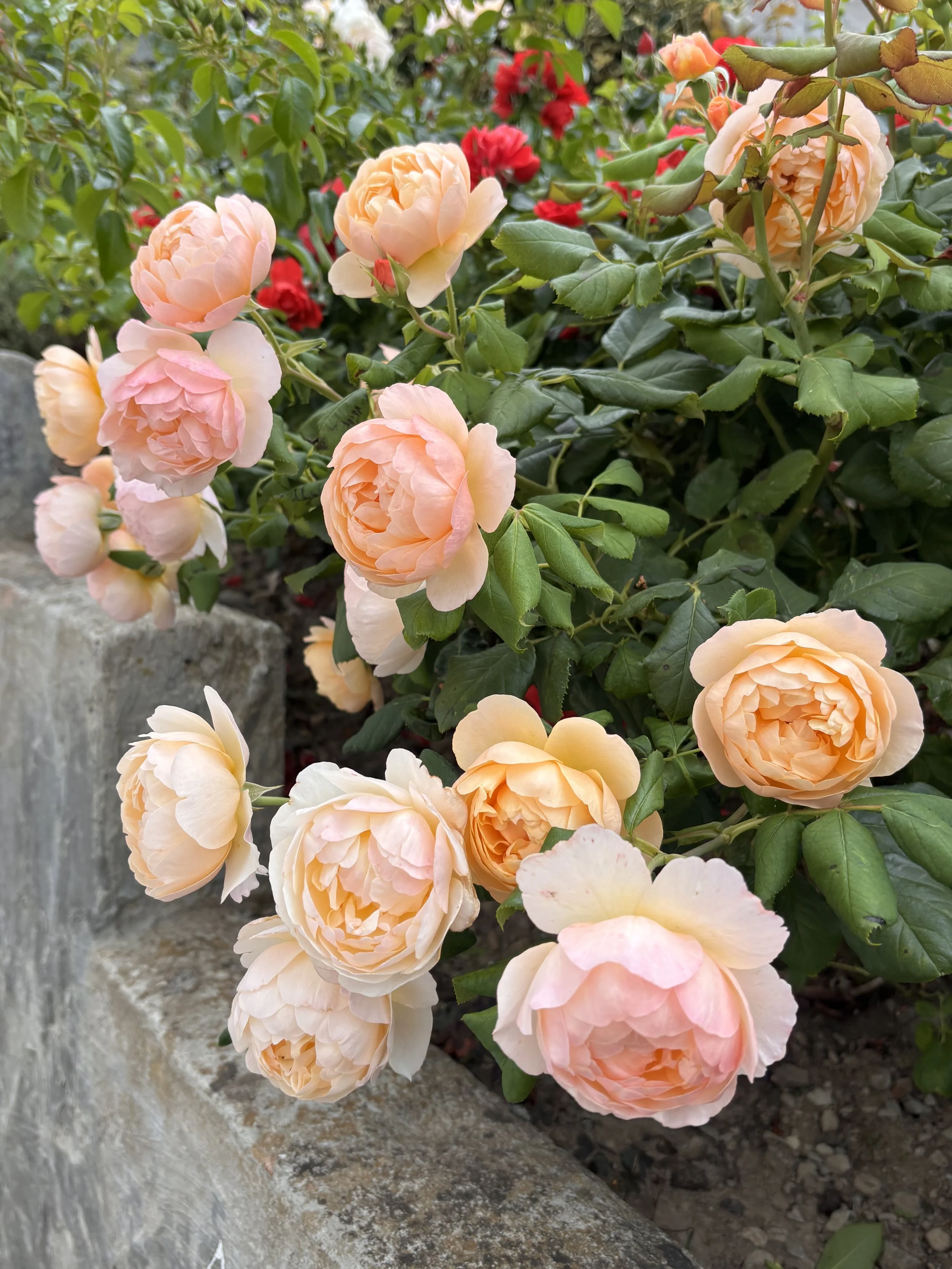
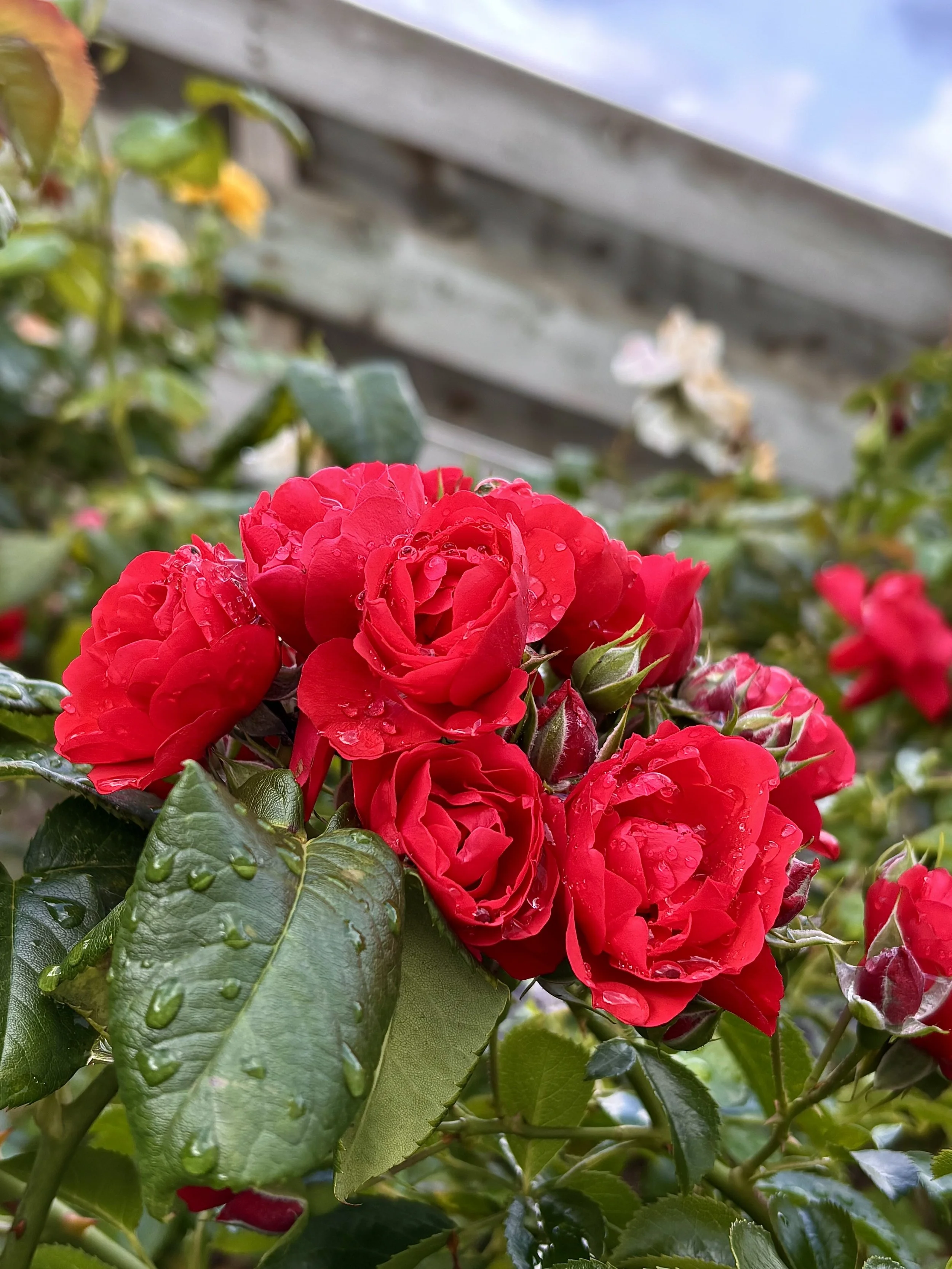
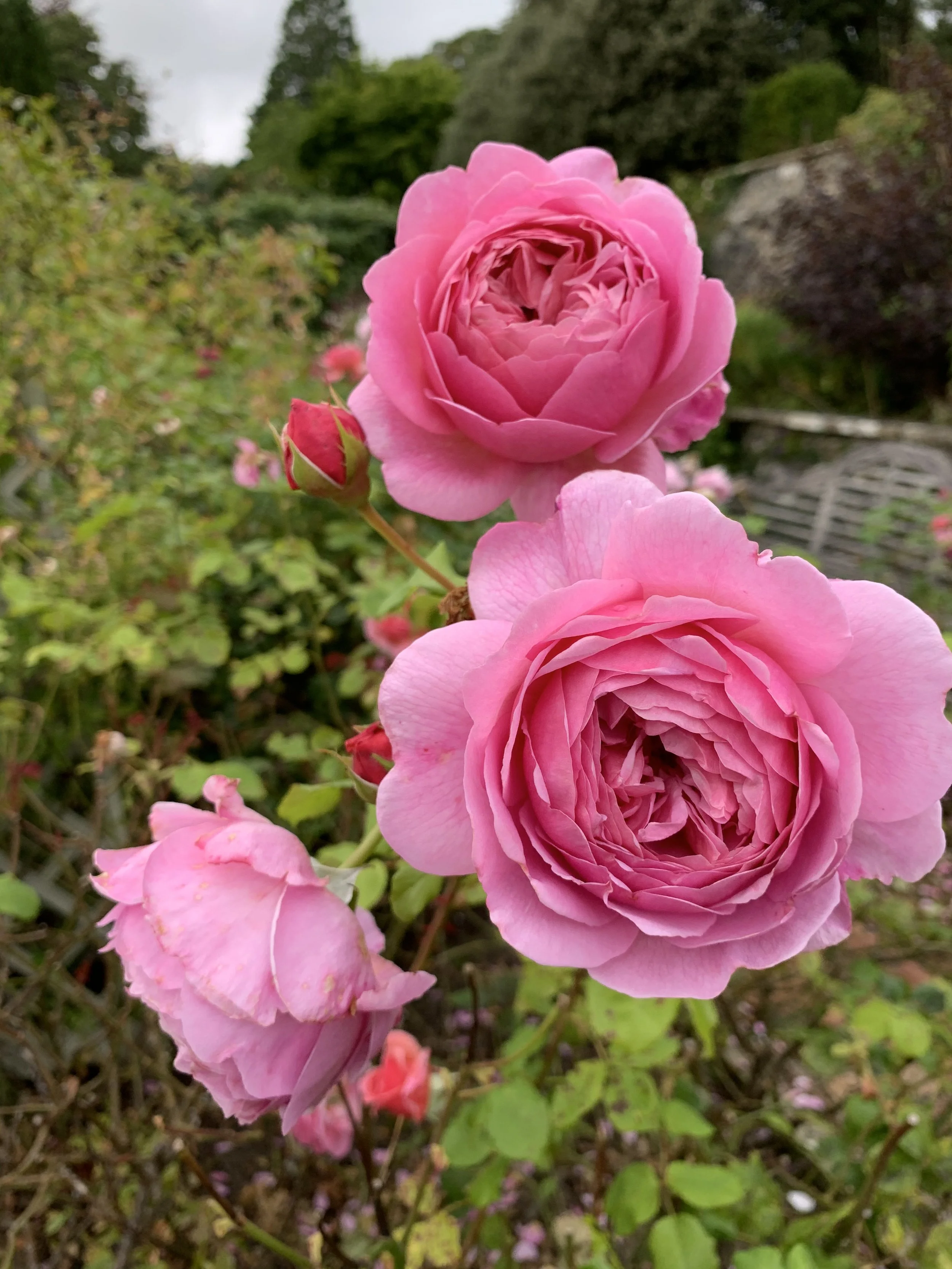
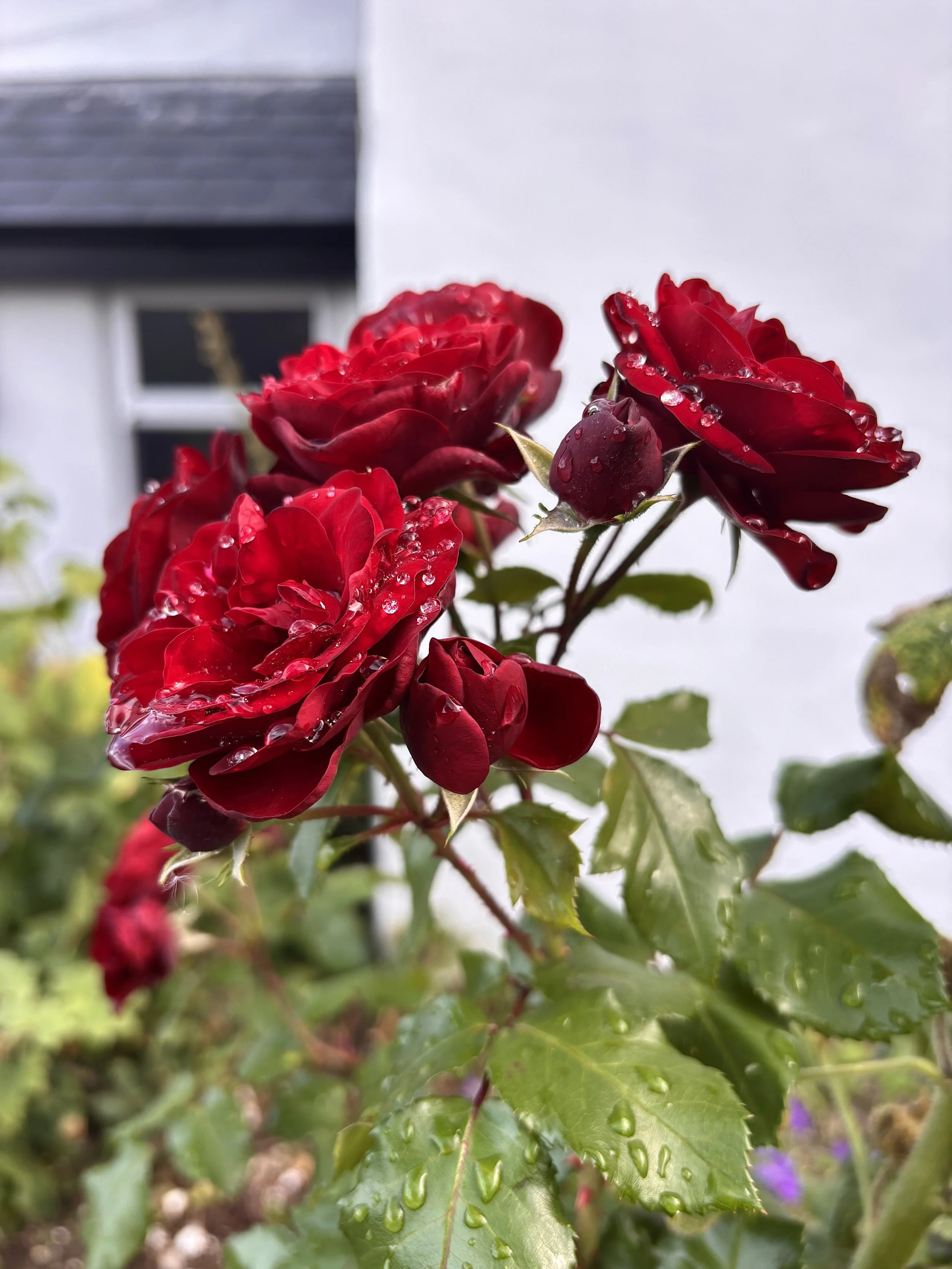
In the main, roses have thrived this year despite the heat and dry weather. They’re one of my favourite flowers, and for me, they absolutely have to be scented. The more perfumed, the better. Lovely.
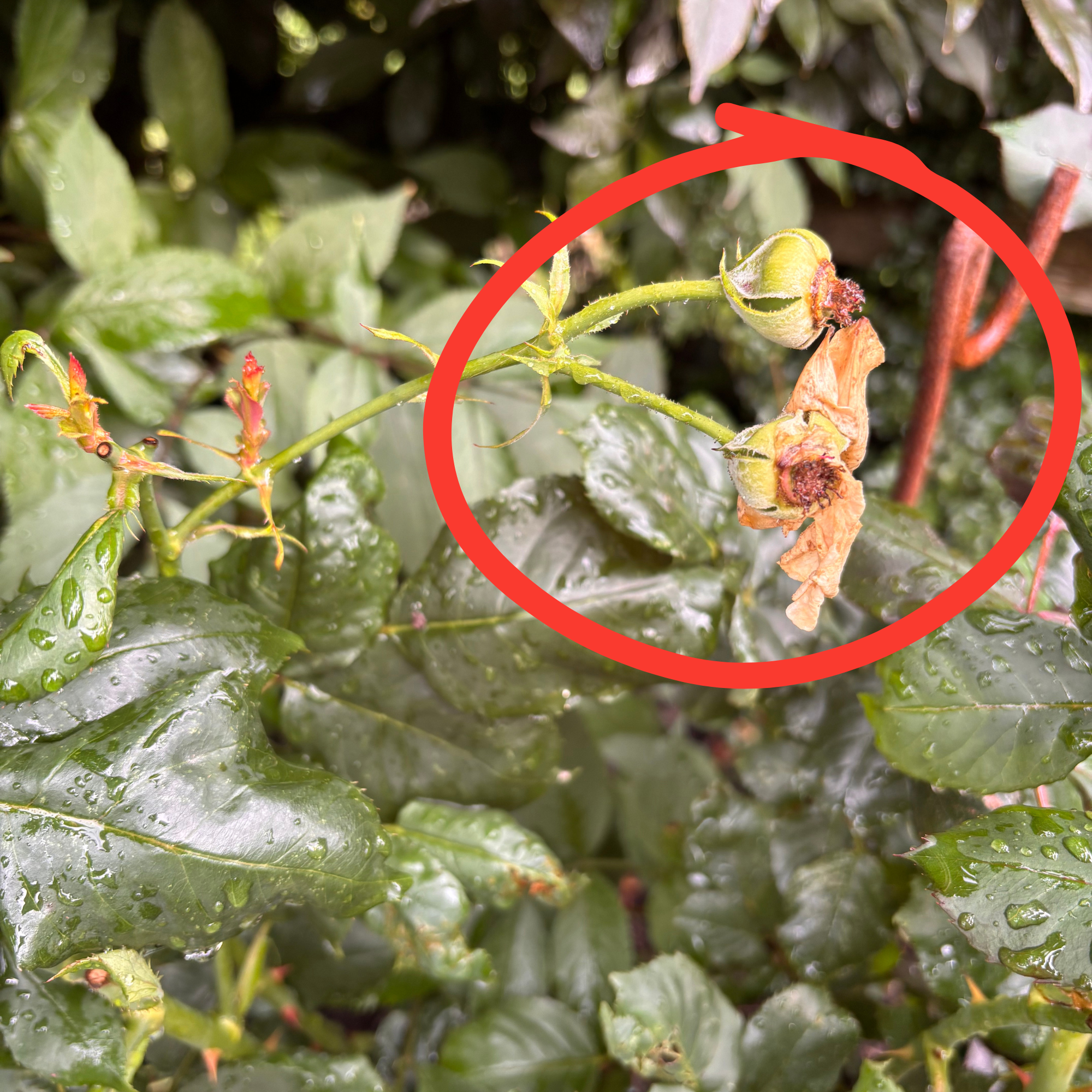
A rose’s season, assuming it is a repeat-flowering rose, is prolonged up to the first frosts and sometimes beyond by regular deadheading. This stops the plant from putting its energy into producing rose hips, so it produces more blooms. Unless you selected a particular rose for its autumn rosehip interest, you should snip off faded blooms.
Leaving faded flowers in place not only makes the plant look scruffy, but if the flowers get wet and soggy, there’s a greater chance of introducing fungal infections. These can result in stem die-back.
Be definite with deadheading roses. Roses respond well to a good prune, and if you do it right, you’ll be rewarded with further flushes of flowers. Which surely is the whole point of having a rose in your garden or backyard.
If there are faded flowers within a cluster, remove them first, including the individual flower stem. It drives me slightly mad when I find flowers nipped off, leaving behind a skeleton of spindly, headless stems. Nothing will grow again from these; they look awful and, to boot, they will slowly die back.
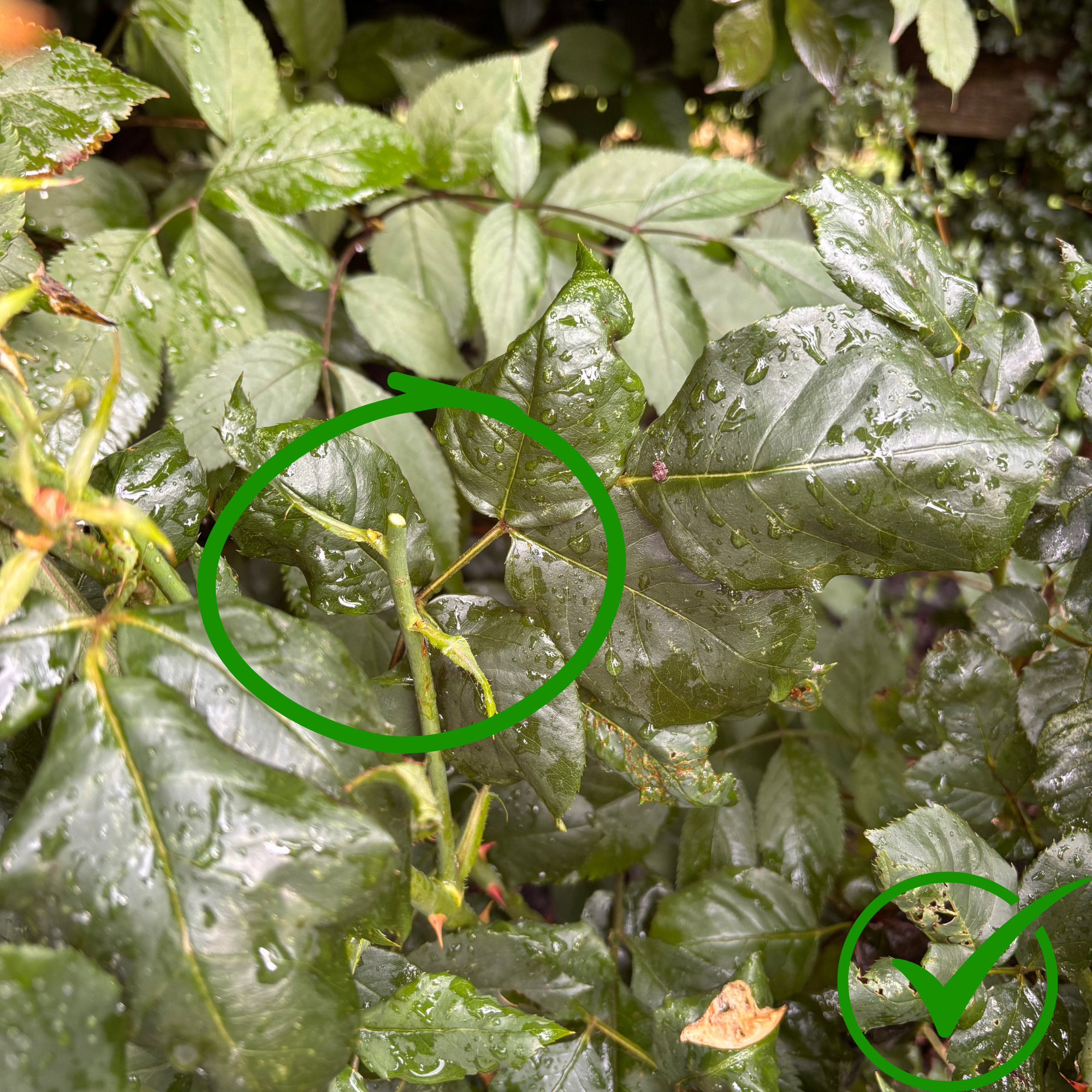
Once the whole cluster has finished flowering, remove the whole stem, cutting on a slant above a strong, healthy leaf. The next flower shoot will grow from this leaf joint.
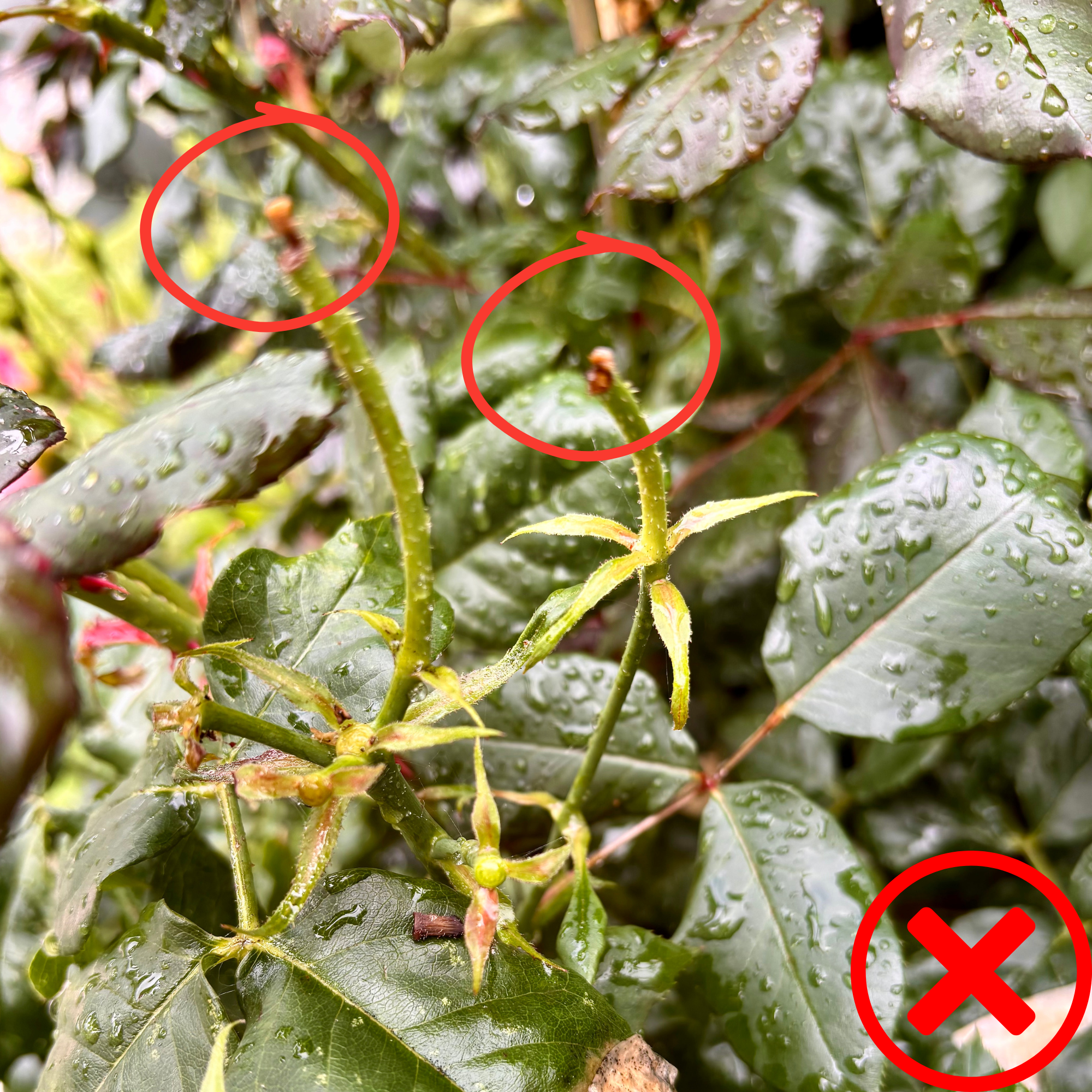
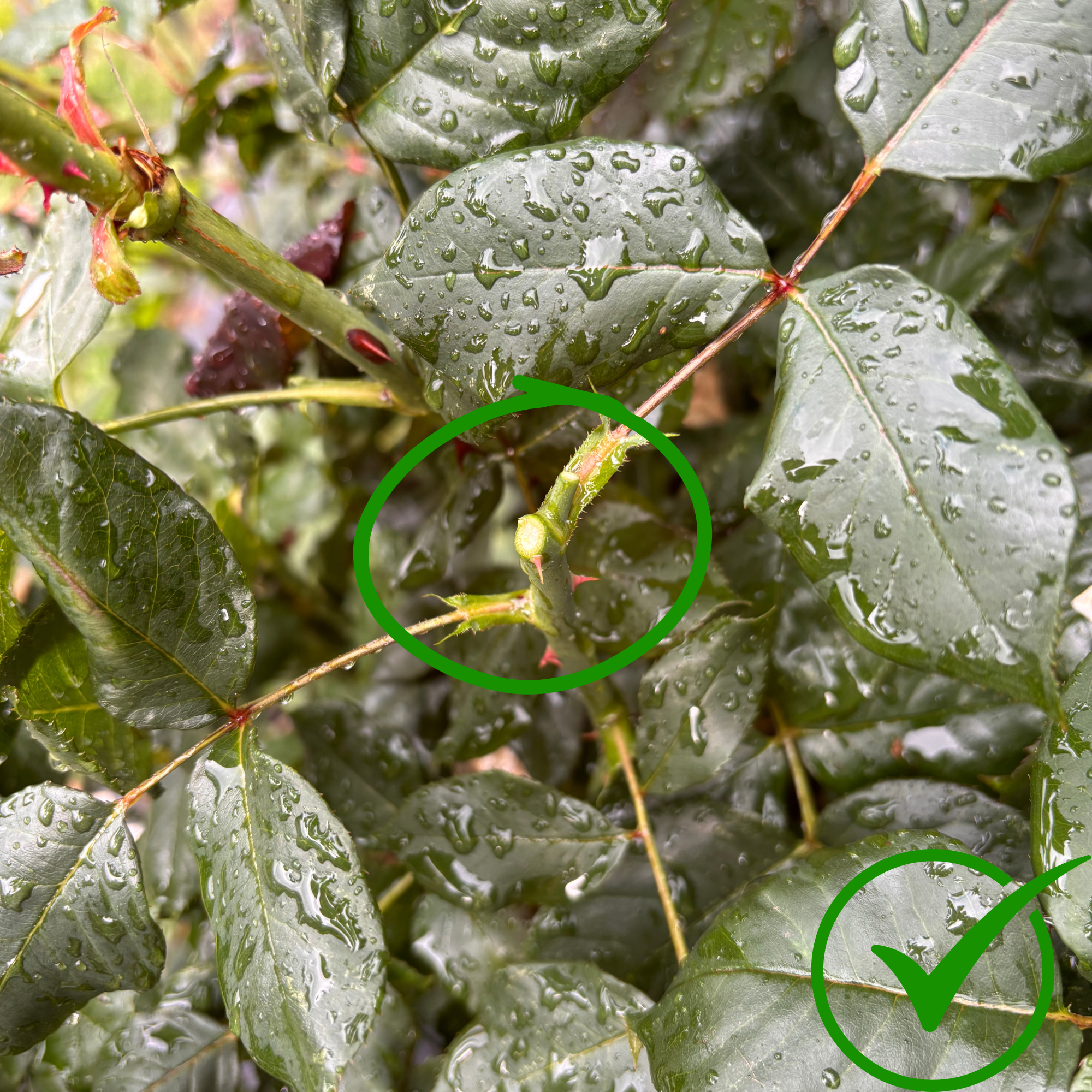
And where you are deadheading roses with a single spent flower, remove the flowerhead and about 15cm of stem, cutting on a slant, again just above a strong, healthy leaf.
A quick mention of rambling roses. The delicate thugs of the rose family, these usually flower once during the season and should be pruned back straight after they have finished flowering.
And don’t forget to feed your roses. They are greedy plants - it takes a lot of energy to produce those beautiful blooms. Mulch your roses with well-rotted manure in autumn and spring - that’s all it takes. Overfeed and you’ll get fast, green, floppy growth which aphids love - a couple of mulches is more than enough. You can pick sacks of well-rotted farmyard manure up from your local garden centre - your trip home might be a little smelly, but your roses will thank you for months to come.